Can You Patent Your Dinner? Maximising IP Value in the Food Technology Space
A strategic overview offering insight into how food tech companies assess patentability, manage disclosure risk, and decide when patents, trade secrets, or other IP rights best support commercialisation and long-term value creation.
Innovative Companies Move Beyond the Recipe: While recipes are hard to patent, the technology behind them such as novel fermentation, functional ingredient blends, or unique processing methods - can be high-value IP assets.
02
Silence is Golden: To secure a patent, you must file before any public disclosure or commercial use. Even a casual social media post or a pitch without an NDA can permanently disqualify your invention from patent protection.
03
The "Secret" Alternative: If an innovation is difficult to reverse-engineer, Trade Secrets may be superior to patents. They offer indefinite protection without requiring you to publish your "secret sauce" to the world.
04
IP Drives Valuation: A robust IP portfolio isn't just for protection; it is a critical asset for capital raising. Investors prioritise companies that use a "multi-layer" approach (combining diverse IP assets) to build a sustainable competitive advantage.
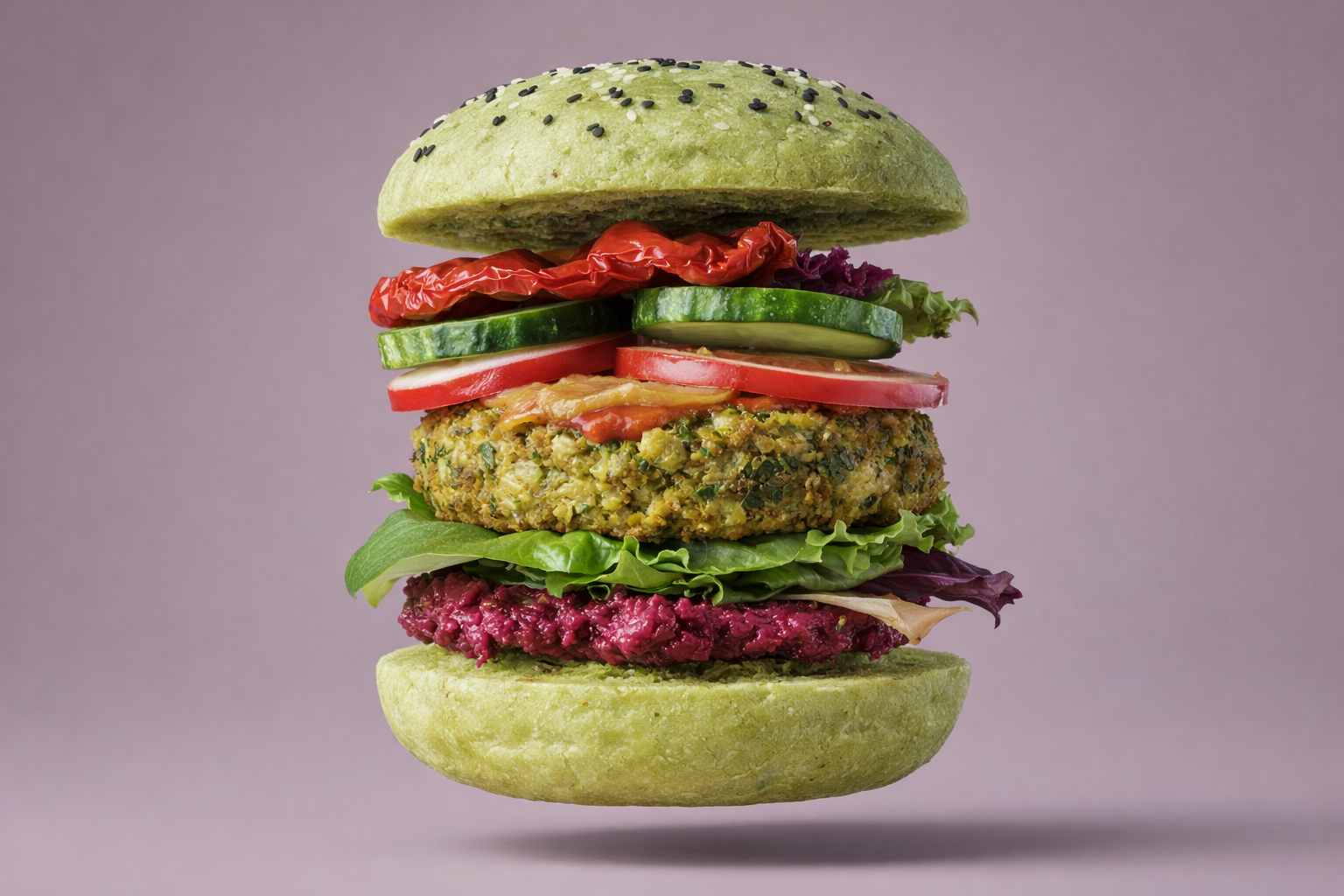
In recent years, the food technology industry has seen transformative innovations, particularly in the development of plant-based foods, lab-grown meat, and sustainable packaging. Whether you’re developing new products, optimising production methods, or enhancing food safety, safeguarding these innovations through intellectual property (IP) protection is crucial for maintaining a competitive edge. This article addresses how to build a valuable IP portfolio around your food technology.
A diverse IP portfolio can significantly increase company value and improve capital-raising opportunities. Investors often require some form of IP protection because it protects investment in R&D, facilitates licensing and can achieve market exclusivity. As patent attorneys working closely with industry innovators, we are often tasked with building strategies for protecting cutting-edge food and beverage technologies. The most effective strategies typically involve leveraging multiple forms of IP to maximise protection. For example:
Trade Marks to Help Build Your Brand – Trade marks provide long term protection and are used by food manufacturers to build brand awareness and reputation.
Registered Designs to Stand Out – Registered designs provide up to 15 years protection for the unique configuration, shape, or pattern of products, often used for packaging, product shapes, and containers.
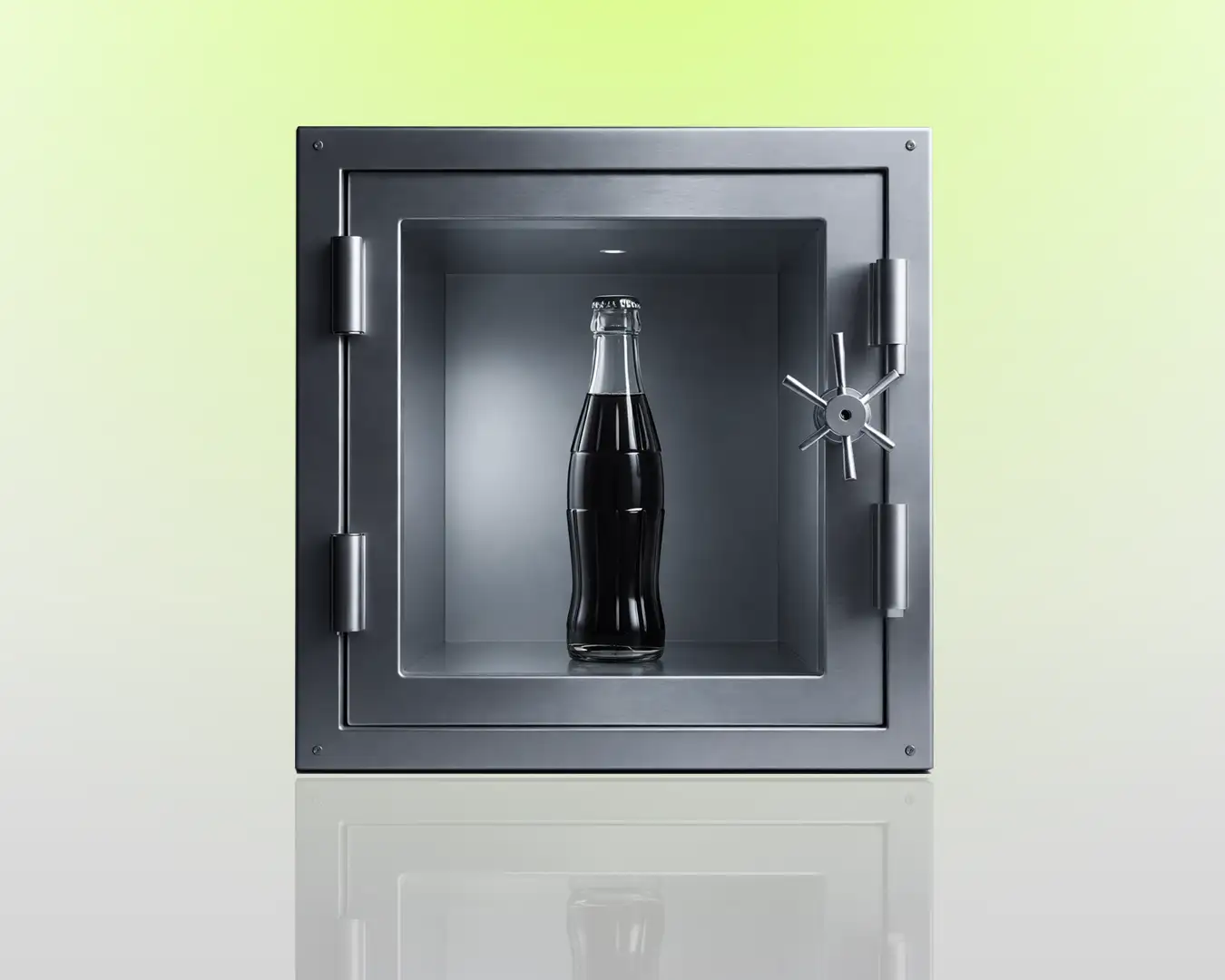
Trade Secrets to Keep Your Recipes Safe – Trade secrets can be used to protect novel formulations and recipes. Provided the trade secret stays a secret, there is no limit to the term of protection. The Coca Cola™ formula being a classic example, purportedly remaining a closely guarded secret since 1886. With global legal frameworks like the EU Trade Secrets Directive (2016) and the U.S. Defend Trade Secrets Act (2016), companies worldwide are increasingly focusing on the protection of trade secrets as a critical component of their IP strategy.
Patents to Secure Your Inventions – Patents last up to 20 years and can be highly effective in protecting innovative foods and beverages, particularly when the production method or the product itself yields unexpected results.
Copyright to protect marketing material – Automatically protects original marketing content, such as product descriptions and ads, helping prevent copying and supporting brand differentiation.
Data as an IP asset – Sometimes classified as a trade secret, data is increasingly acknowledged as a crucial asset in the food industry. It can be leveraged for AI insights, product development, optimised supply chains, personalised nutrition, marketing strategies, and food safety protocols.
Brewing Success with IP protection
Nestlé’s Nespresso coffee capsules revolutionised the single-serve coffee market. The company secured patents on the capsule design and the brewing method. Allied to a strong marketing campaign, these assets provided the recipe for success.
Nespresso didn’t patent coffee — it patented the system around it.
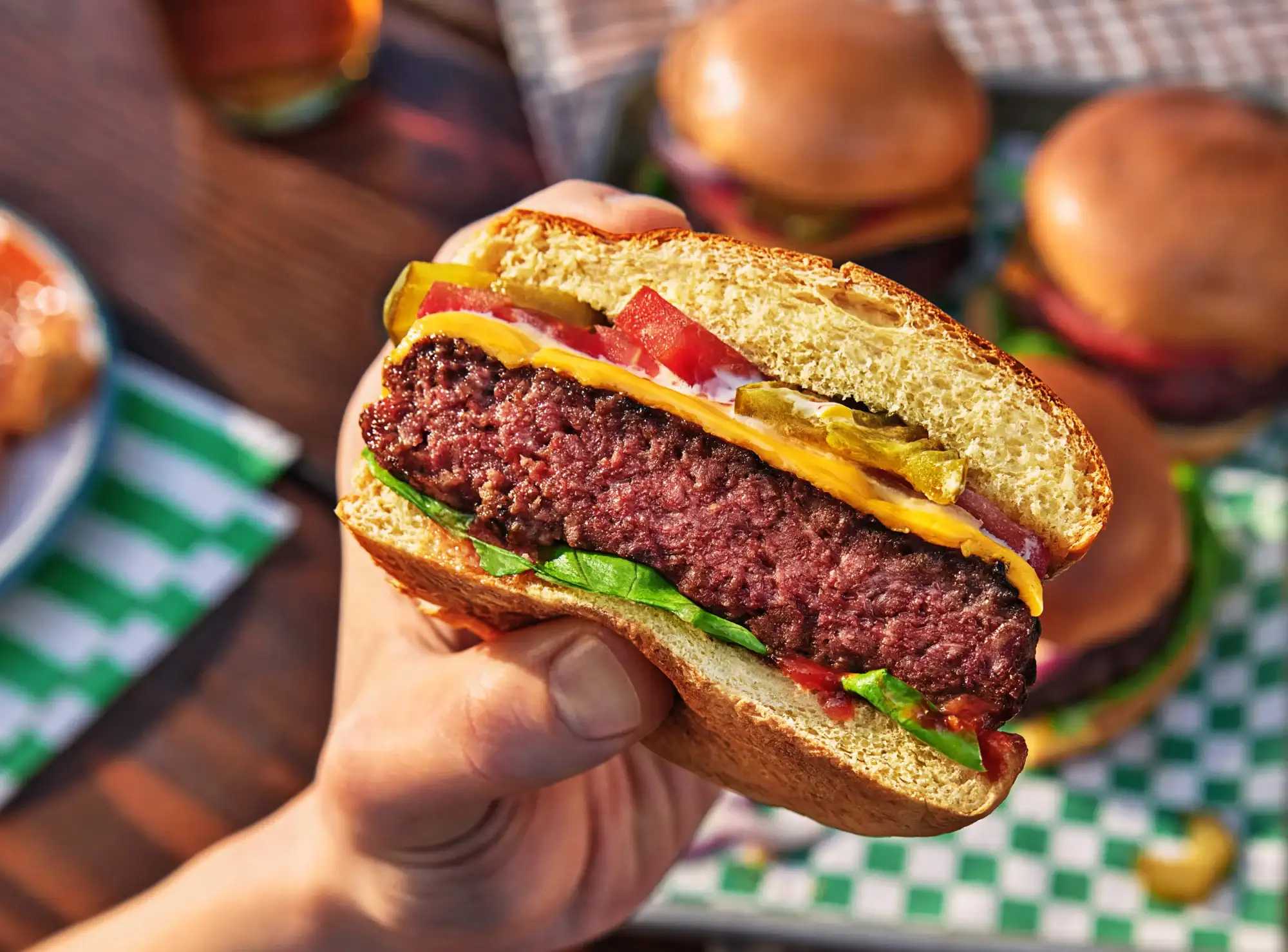
Impossible Foods has become a leader in the plant-based meat industry, largely due to its innovative use of heme, a molecule that gives their products a meat-like taste and appearance. The company secured patents on the process of producing heme from genetically modified yeast and also on the composition of their plant-based burgers.
Impossible Foods protected the science behind the product, not just the burger.
The Secret Recipe: Mixing Patents and Trade Secrets
In situations where obtaining a patent is difficult or where disclosing the details of a recipe and ingredients is undesirable, trade secrets are often the answer. They require no registration, and as long as the recipe remains confidential and cannot be reverse-engineered, the protection term can be indefinite. Innovations that involve optimising the parameters of a known process may be unpatentable and are often best safeguarded as trade secrets. However, to mitigate the risk of trade secret leakage, be sure to implement robust confidentiality agreements and limit the dissemination of trade secrets within the company.
So Can You Patent Your Dinner?
Let’s take a look at the requirements for patentability in more detail and how they apply to food technology.
Ensure Your Innovation is Novel – Patented inventions must be novel, meaning they have not been previously published or used. Any public disclosure or use of the invention anywhere in the world can undermine the novelty of a patent application. In some countries, a patent may still be obtained if the invention was disclosed within 12 months prior to filing under “grace period” provisions. Confidential development and testing is allowed, but any non-confidential disclosure (online, in journals, posters, word of mouth, or through sale or offer for sale) can compromise novelty. To safeguard your invention, a patent should be filed before any disclosures are made.
Show Your Invention Isn’t Obvious – A second key requirement for patent grant is “inventive step” or “non-obviousness”. Obvious variations of known products or methods are not patentable. Even where a recipe or product differs from prior art, if those differences are trivial variations routinely used in the kitchen or laboratory, the invention is likely to be considered obvious and therefore ineligible for patent protection.
Ensure You Disclose All the Details – A patent specification must disclose all details required to make and use the invention, including ingredients, ratios, concentrations, and methods of production. The disclosure must enable a skilled person in the industry to replicate the invention without extensive further experimentation. If full disclosure is not provided, the patent may be held invalid.
In some cases, the innovator may decide that giving away such sensitive information in a patent specification is unpalatable, especially if novelty and inventive step issues mean patent grant is unlikely. In these cases, it may be preferable to rely on other methods to protect the innovation such as branding (trade marks) and trade secrets.
Ingredients for Patentable Innovations
Here are some key areas where patentable inventions can be developed in the food tech space:
Ingredient combinations with functional effects, including nutraceutical blends that provide specific health benefits and functional foods that enhance nutritional profiles, such as fibre–protein snacks.
Novel food processing methods, such as preservation techniques that extend shelf life without compromising quality, and extraction processes that use novel methods to isolate components, including high-purity plant proteins.
Fermentation processes that produce unique flavours or enhanced nutritional properties.
Packaging innovations, including smart packaging solutions that monitor freshness or reduce spoilage in products.
Novel food compositions, such as alternative proteins that mimic real meat through plant-based or lab-grown products.
Encapsulation and delivery systems that control nutrient release, for example encapsulated probiotics delivered directly to the gut to support the microbiome.
Fermentation and biotech applications, including optimised methods for fermentation or microbial growth, and GMOs involving engineered microbes.
Environmentally sound processes, such as side-stream (waste) repurposing to create edible or useful products.
If you’re seeking to safeguard your innovations and drive growth in both domestic and international markets, let’s connect. Prime Innovation specialises in helping food technology companies navigate the complexities of IP law, ensuring your valuable innovations are well-protected.





.webp)
.webp)